Ethiopia–Djibouti Energy Corridor
From the Ogaden Basin to Global LNG Markets
RAINBOW LNG integrates Ethiopian natural gas production, processing, high-pressure pipeline transport and LNG export infrastructure into a coordinated corridor connecting the Ogaden Basin with Djibouti’s maritime gateway.
An Integrated Gas-to-Market Development
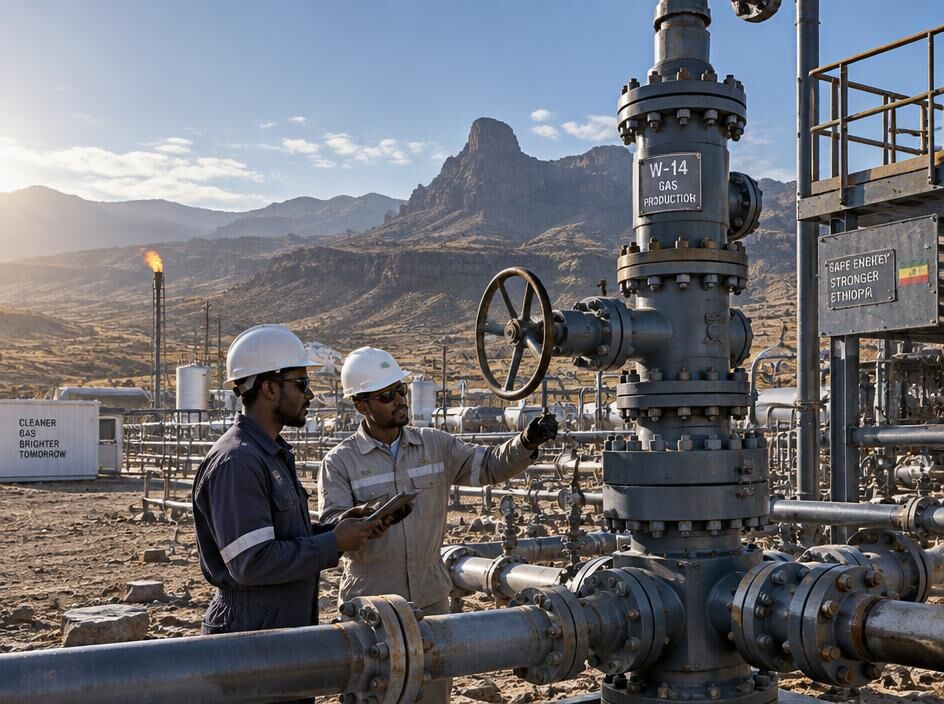
Upstream Development
Natural gas production from the Hilala and Calub fields forms the resource foundation for the wider integrated development.
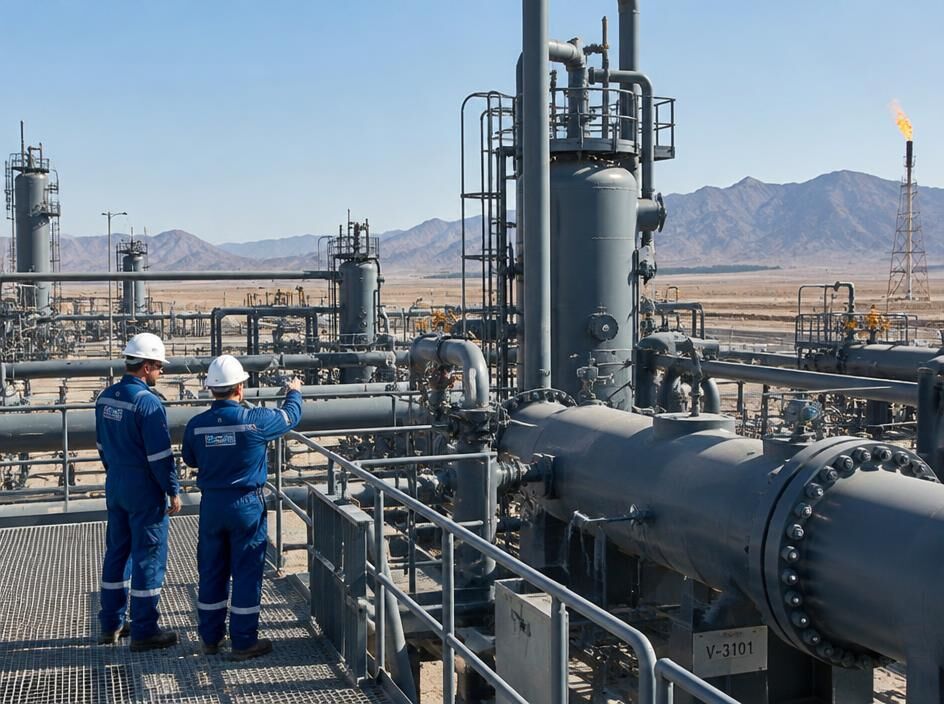
Central Gas Processing
A central facility prepares produced gas through treatment, separation, dehydration, filtration and metering for onward transport.
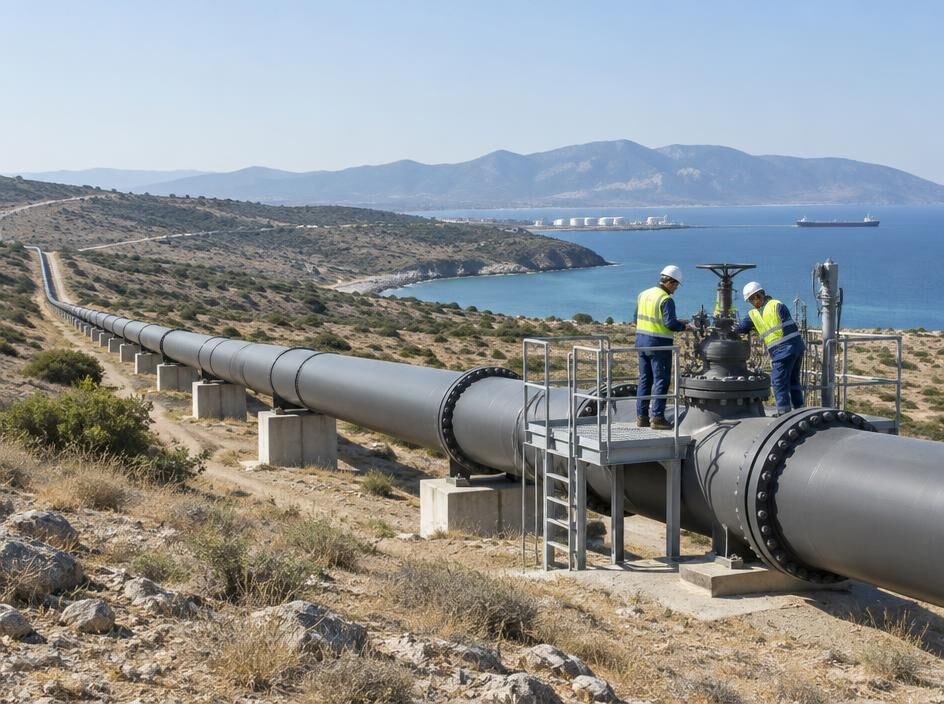
Export Gas Pipeline
One dedicated high-pressure pipeline transports processed gas from Ethiopia to Djibouti as the project’s principal export corridor.
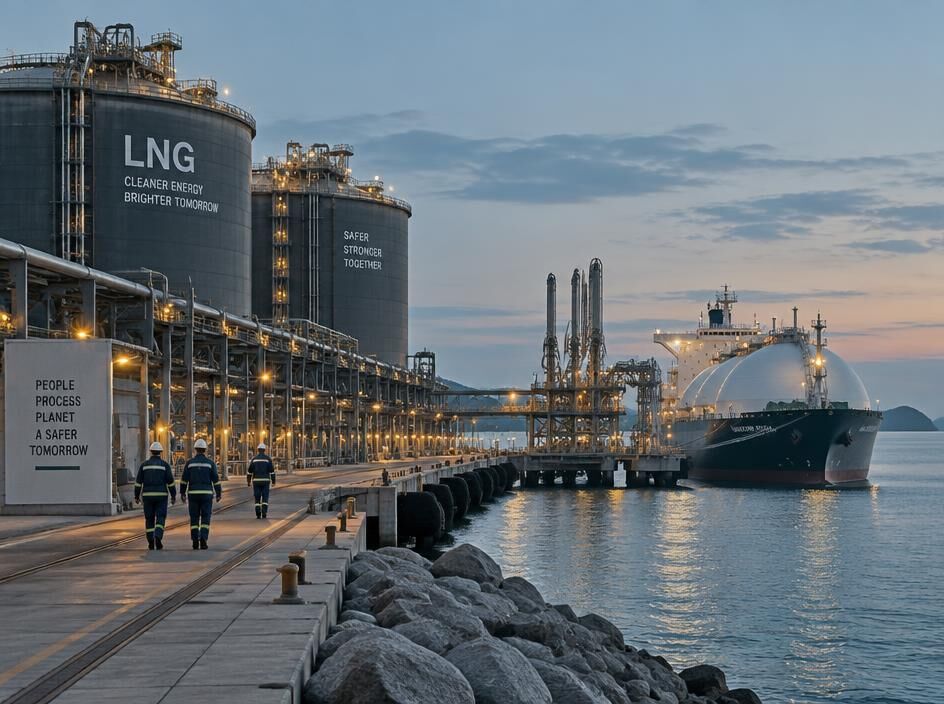
LNG & Maritime Export
Liquefaction and marine export infrastructure provide access to international natural gas markets through Djibouti’s coastal gateway.
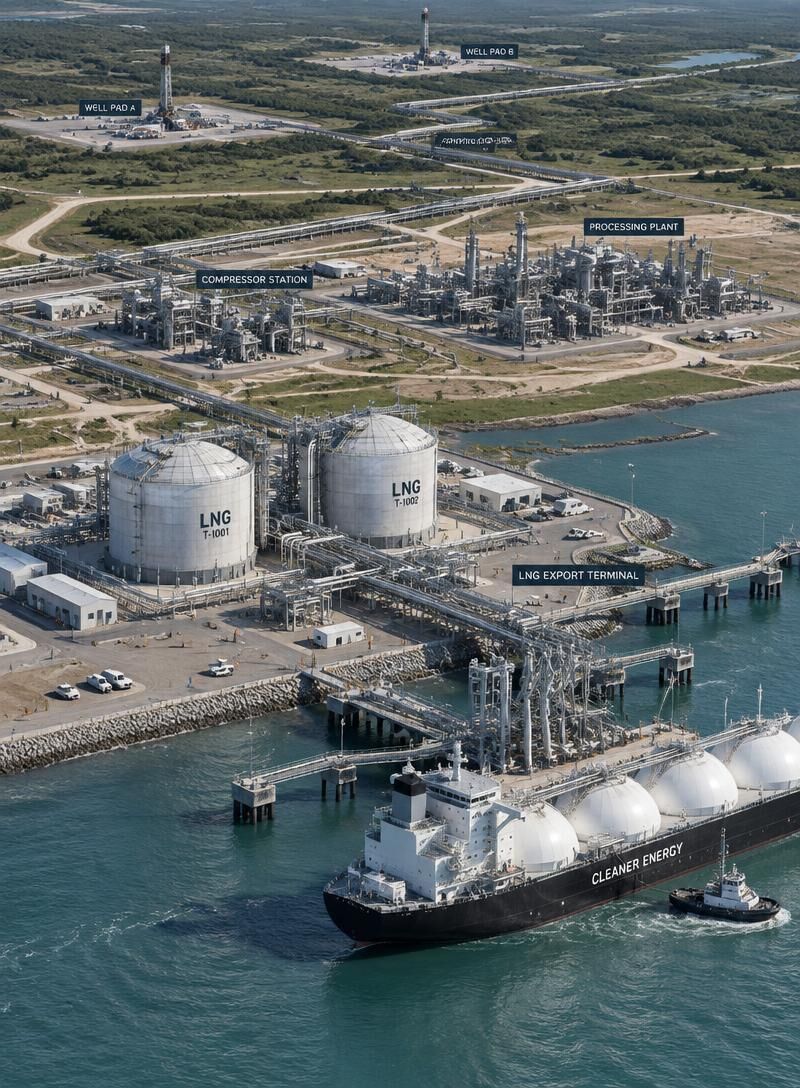
01 — Hilala & Calub Gas Fields
Natural gas is produced from the Hilala and Calub fields in Ethiopia’s Ogaden Basin, then collected through dedicated gathering lines from multiple production wells.
02 — Central Processing Facility
Gathered gas enters a central processing facility for treatment, separation, dehydration, filtration and metering before export.
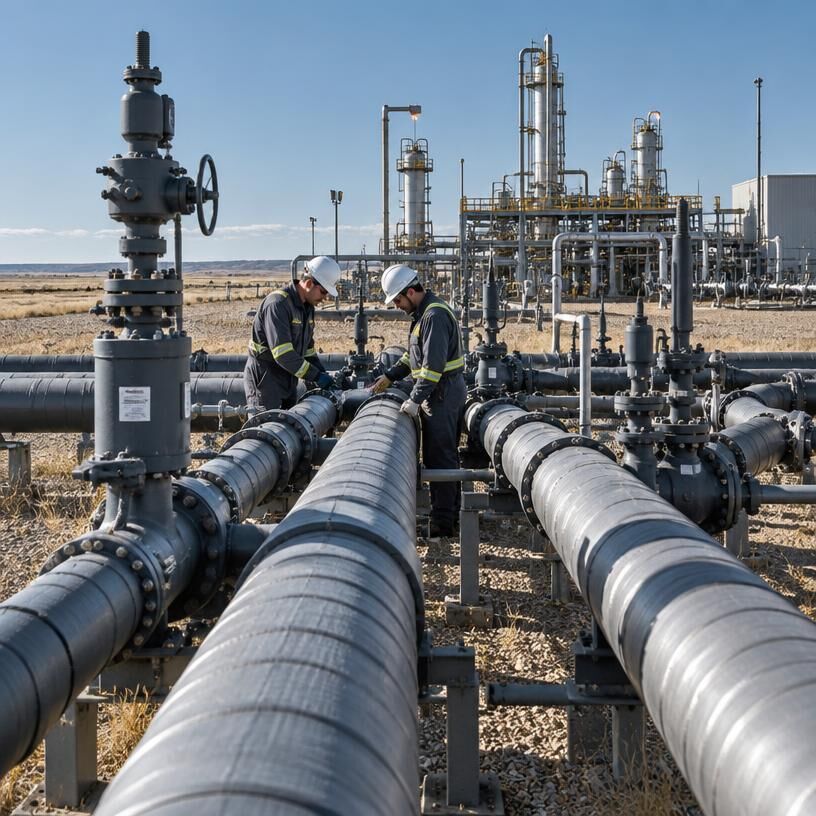
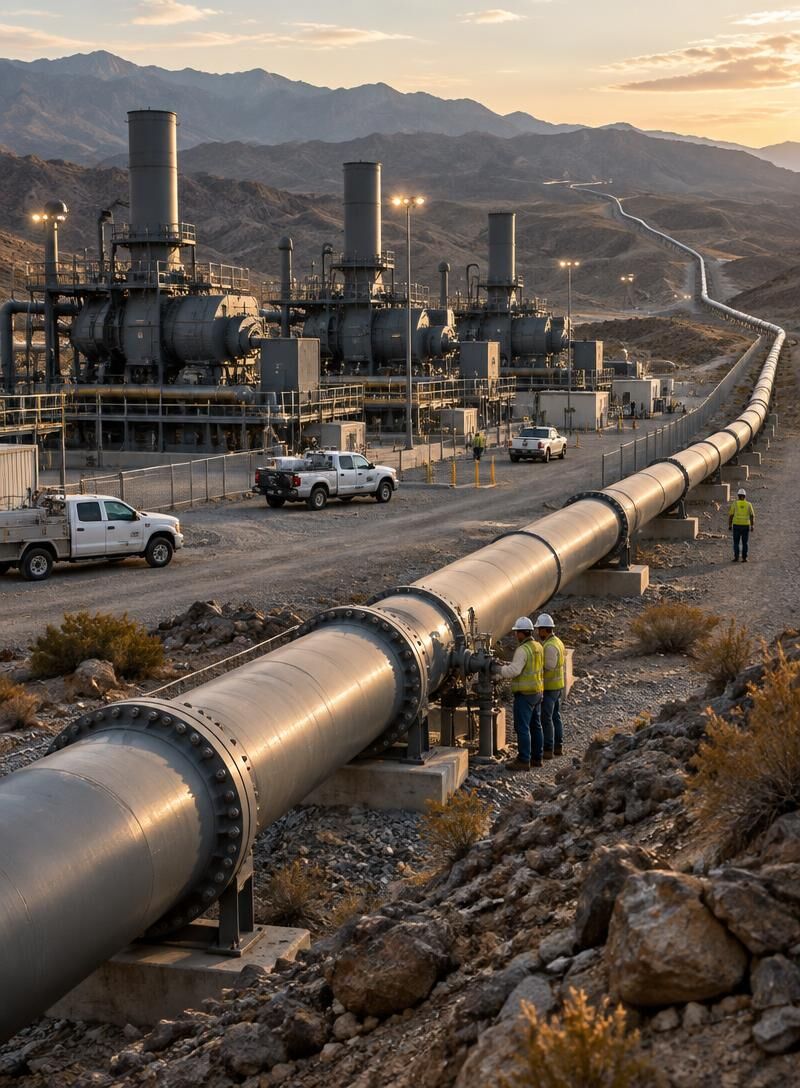
03 — Principal Export Pipeline
Processed gas travels through one principal high-pressure export pipeline toward Djibouti, supported by strategically located compressor stations that maintain operating pressure and efficiency.
04 — Djibouti LNG & Offshore FLNG
At Djibouti, LNG-related reception and export infrastructure connects with maritime operations, including an independently positioned offshore FLNG facility operating away from the coastline.
A Strategic Energy Corridor to Global Markets
Rainbow LNG Project links Ethiopia’s Ogaden Basin—anchored by the Hilala and Calub gas fields—with Djibouti’s maritime infrastructure on the Red Sea and Gulf of Aden. This integrated corridor brings production, processing, high-pressure transportation and export capability into one coordinated development pathway.
From the upstream fields, treated natural gas moves through a dedicated export pipeline toward Djibouti, where LNG and marine infrastructure provide access to established international shipping routes. The result is a purposeful connection between East African resources and global energy markets, supported by long-life industrial infrastructure across the Ethiopia–Djibouti corridor.
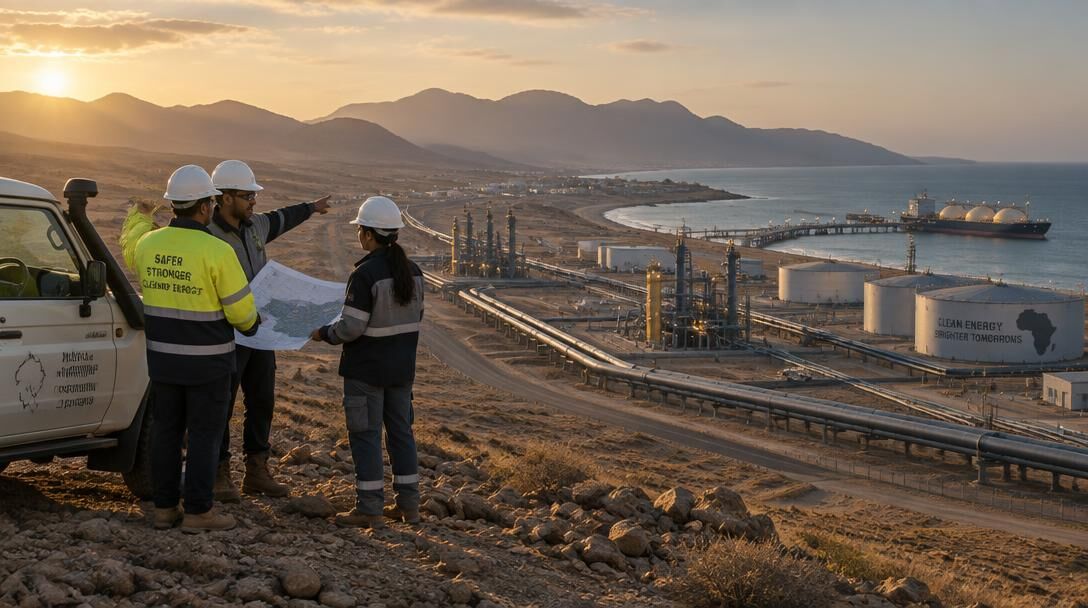
From Field Development to Offshore Export
Integrated Infrastructure
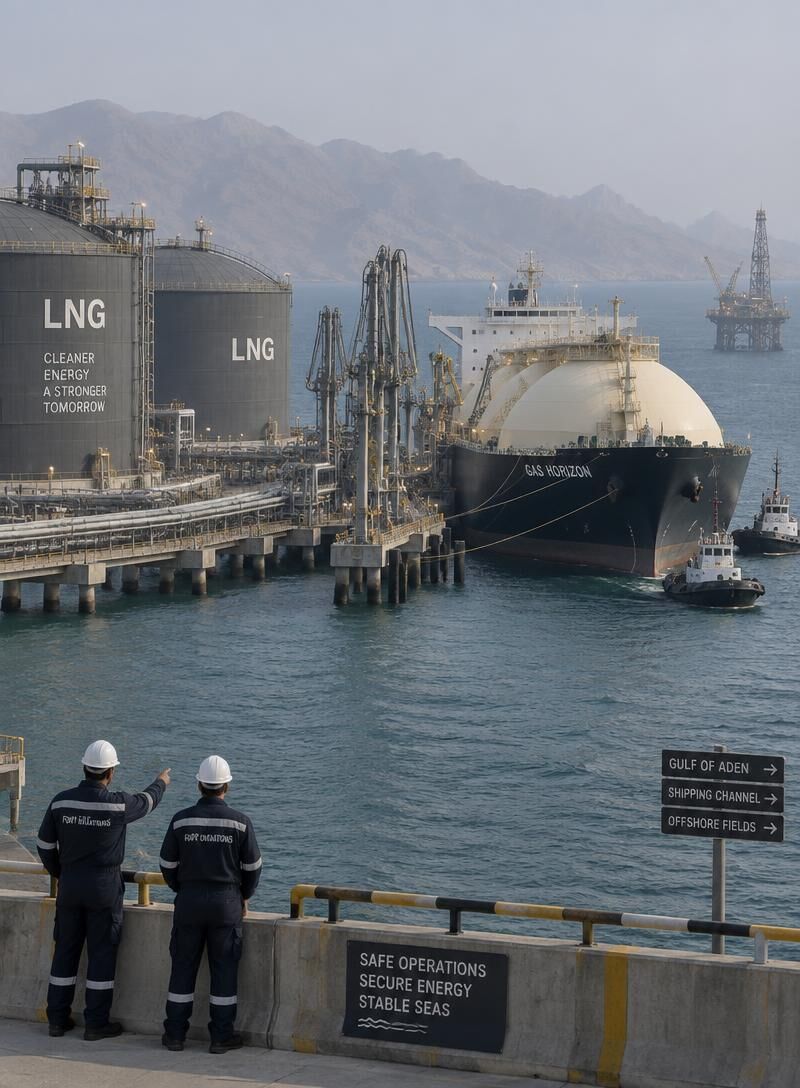
Building a New Energy Gateway for East Africa
Rainbow LNG Project is conceived as a long-term, integrated energy platform that brings together upstream natural gas resources, industrial processing infrastructure, pipeline transportation and maritime export capability. The development is centred on gas production from Ethiopia’s Ogaden Basin and a coordinated route to Djibouti, creating the physical foundation for reliable access to international natural gas markets.
The infrastructure portfolio encompasses gas production facilities, dedicated gathering systems, a central processing facility, one principal high-pressure export pipeline, strategically located compressor stations, LNG infrastructure, marine export facilities and an offshore FLNG operation. Each element is planned as part of a connected value chain, designed to move gas efficiently from field production through treatment, transportation and liquefaction to export.
By combining Ethiopia’s resource potential with Djibouti’s coastal position and access to the Red Sea and Gulf of Aden, the project aims to support regional energy development, attract infrastructure investment and enable long-term industrial growth. Rainbow LNG Project provides a framework for collaboration among public-sector stakeholders, engineering and technology providers, financial institutions and strategic partners committed to developing durable energy infrastructure in East Africa.
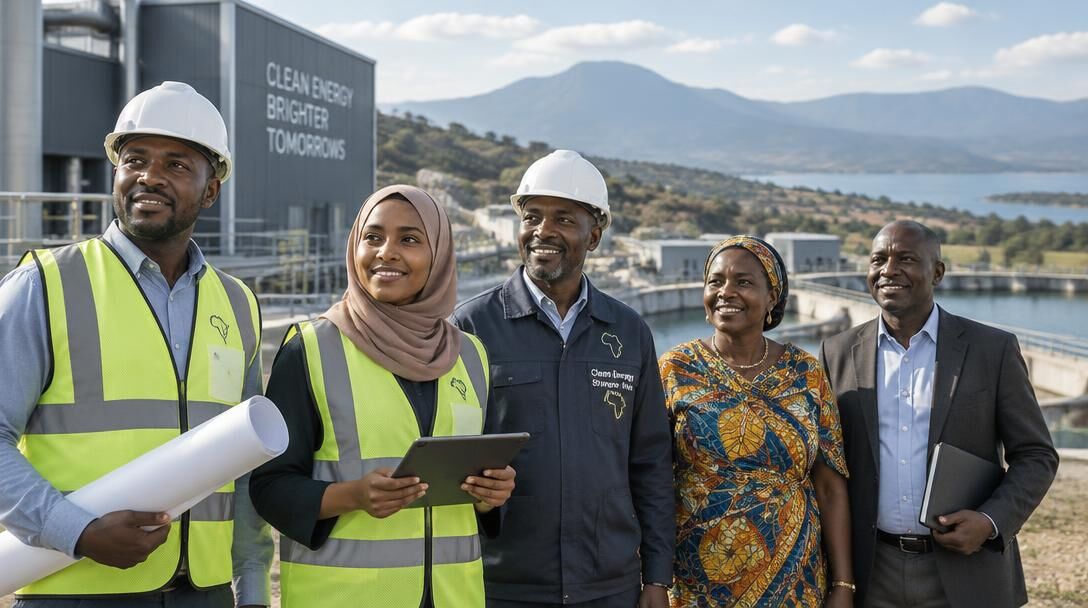
Integrated Development & Execution
A disciplined five-stage programme aligning resource development, engineering, infrastructure delivery and export operations across the Ethiopia–Djibouti corridor.

Phase 01
Resource & Engineering Development
Advance field appraisal, reservoir planning, route studies and front-end engineering to define a robust technical basis for the integrated development.
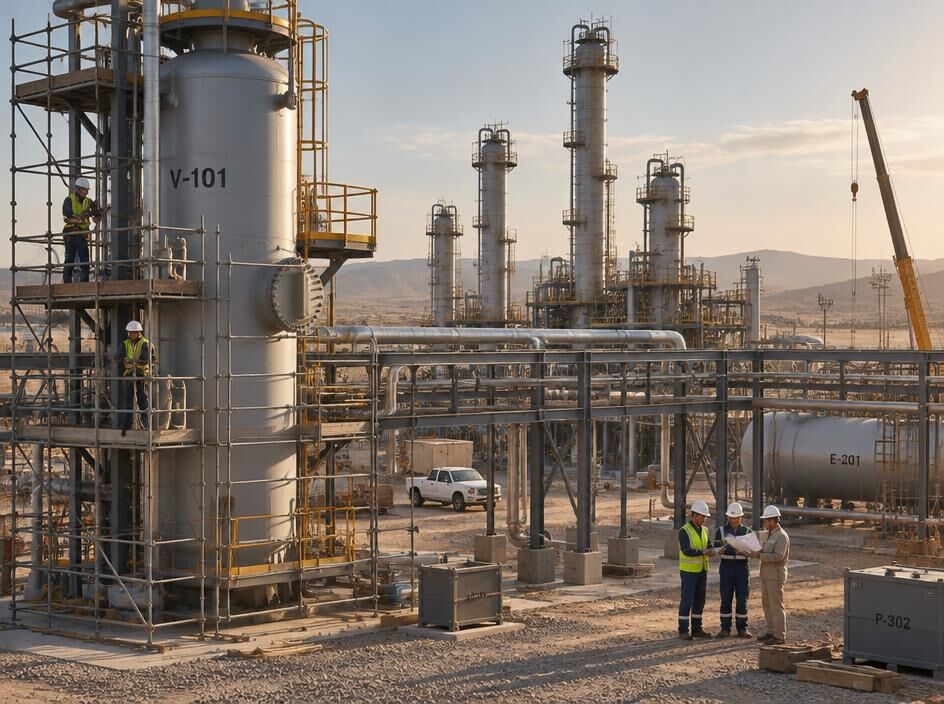
Phase 02
Gas Processing Infrastructure
Develop central processing facilities for gas treatment, separation, dehydration, filtration and metering before long-distance transport.
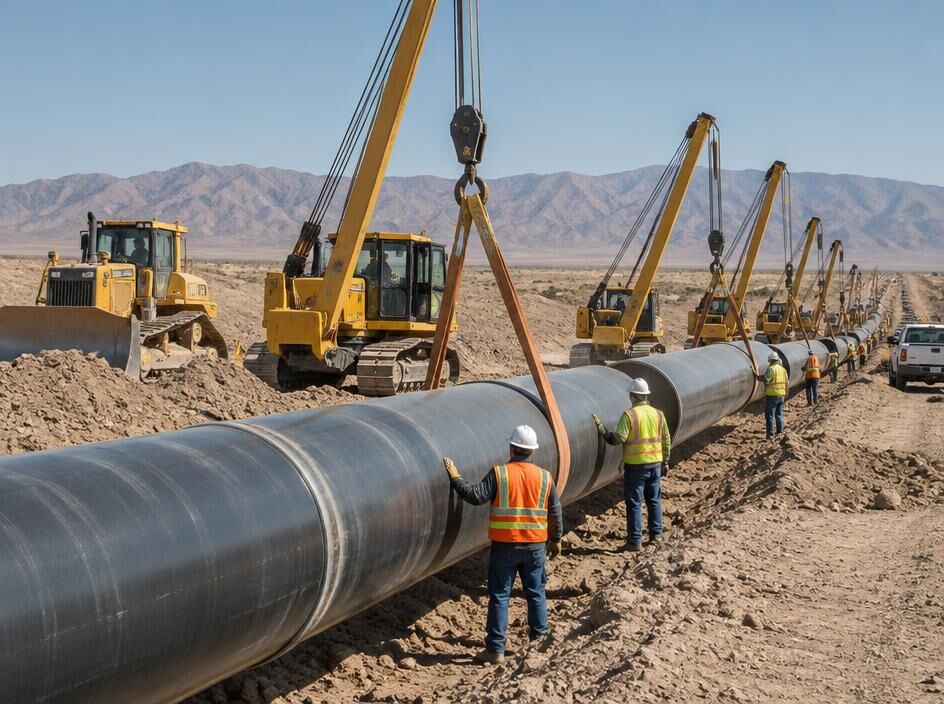
Phase 03
Pipeline & Compressor Infrastructure
Deliver one principal high-pressure export pipeline and strategically located compressor stations to maintain capacity, pressure and operating efficiency.
Phase 04
LNG & Marine Infrastructure
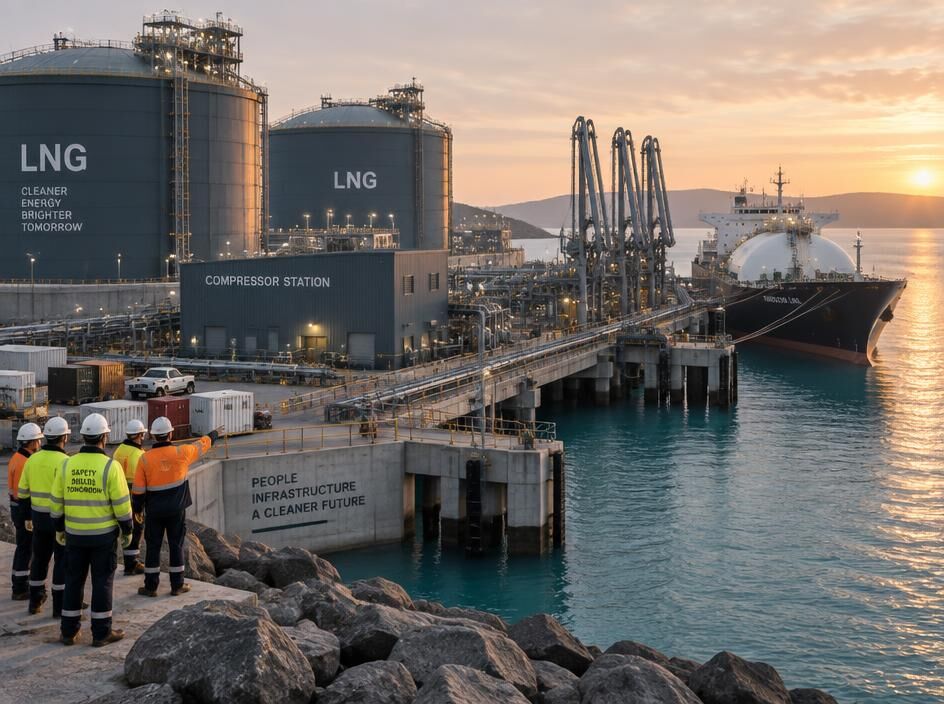
Establish Djibouti-based LNG and marine export infrastructure, including offshore FLNG capability positioned independently from the coastline.
Responsible Infrastructure Development
The programme applies internationally recognised engineering, environmental and operational practices across planning, construction and long-term asset management.
- Environmental planning integrated across the project lifecycle 100%
- Safety management embedded in design and operations 100%
- Critical assets assessed for long-term resilience 100%
- Responsible development pillars guiding delivery 4%
- Integrated execution phases from resource to export 5%
- Principal export pipeline corridor after central processing 1%
A Platform for Strategic Partnership
Build the Ethiopia–Djibouti Energy Corridor Together
Connecting Resources. Infrastructure. Global Markets.
Explore the RAINBOW LNG project corridor from Ethiopia’s Ogaden Basin to Djibouti’s export infrastructure, or speak with our project team about the development.